
Branded barrels
HOW A WOODEN BARREL IS MADE
How a Wooden Barrel Is Made: The Art of Cooperage
The wooden barrel is one of humanity’s oldest and most ingenious inventions — a perfect balance of art, science, and craftsmanship. Whether it’s for aging whiskey, wine, rum, or storing fine vinegar, the process of making a barrel has remained remarkably unchanged for centuries. Every curve, joint, and char mark contributes to the flavor, character, and preservation of what’s stored inside. Here’s a detailed look at how barrels are made, step-by-step.

- Choosing the Right Wood: Choosing high-quality wood is the first stage in building a barrel. American white oak and French oak are the two most popular species. They are renowned for their strength, flexibility, and ability to improve the flavor of food.
To remove moisture and tannins, the wood is typically air-dried (seasoned) for 18 to 36 months. This natural drying process not only stops the wood from cracking, but it also lets the wood’s complex scents and compounds grow. This is crucial for imparting aged drinks their distinctive flavor.
2. Cutting the Staves
Once the wood is seasoned, it’s cut into long, narrow pieces called staves. These staves will form the body of the barrel. Each stave must be precisely shaped with slight curves and angles so that when assembled, they fit tightly together without the need for nails or glue.
This precision ensures the barrel remains watertight while allowing micro-oxygenation — a slow breathing process that enhances aging for wine and spirits.
3. Barrel Assembling (Raising the Staves)
Lifting the barrel is the next process in cooperage, and it’s one of the most interesting to look at. In a circle, the staves are standing erect, and at one end, there is a temporary hoop made of metal.
The cooper (barrel maker) carefully adjusts each stave to make the outside of the barrel. This process needs someone who knows a lot about how wood reacts to stress and has done it before.
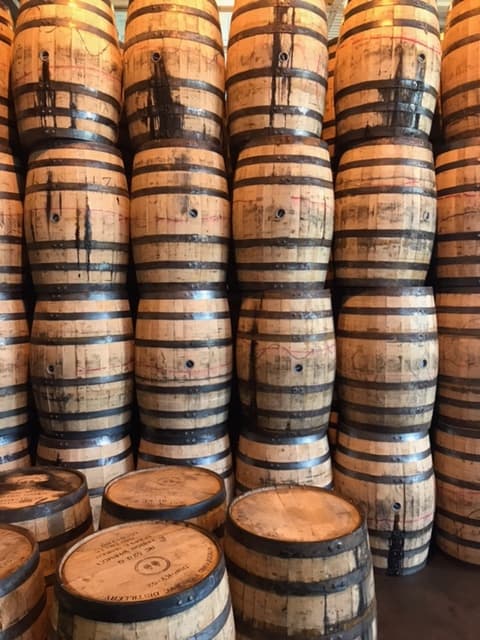
4. Shaping and Toasting the Barrel
Once the staves are set, the barrel must be bent into shape. The wide open ends are gently heated over an open fire or steam to make the wood pliable. The cooper then gradually tightens the metal hoops, bending the staves inward until the classic barrel shape appears.
During this heating process, the inside of the barrel is toasted or charred. Toasting caramelizes the natural sugars in the wood, unlocking flavors of vanilla, spice, and caramel. Whiskey barrels, for instance, are often deeply charred to create a rich, smoky flavor, while wine barrels are lightly toasted for subtle complexity.
5. Fitting the Heads
After shaping, the cooper crafts the barrel heads — the circular top and bottom pieces. These are made from multiple wooden planks joined together and precisely fitted into grooves called crozes near the barrel’s ends.
Once the heads are installed, the barrel begins to take its final form. Additional hoops are added for reinforcement and to ensure no leakage.
6. Testing for Leaks
Before it’s ready for use, every barrel undergoes rigorous testing. Coopers often fill barrels with water or steam to check for leaks or gaps between the staves. Any imperfections are sealed by tightening the hoops or applying natural reed or wax.
Only barrels that pass these tests are approved for aging and storage.
7. Finishing and Branding
Finally, the barrel is sanded, smoothed, and branded with the cooperage’s logo or mark of authenticity. Some barrels may receive a light exterior finish for protection, especially if they’re used for display or décor.
Making a wooden barrel is far more than assembling pieces of wood — it’s an art passed down through generations. Each step, from wood selection to charring, affects the aroma, flavor, and texture of the final product stored inside. That’s why fine winemakers, distillers, and brewers around the world continue to rely on handcrafted oak barrels.
So, the next time you see a beautifully curved barrel of whiskey or wine, remember — inside that humble wooden vessel lies centuries of craftsmanship, tradition, and the patient touch of a skilled cooper.
